


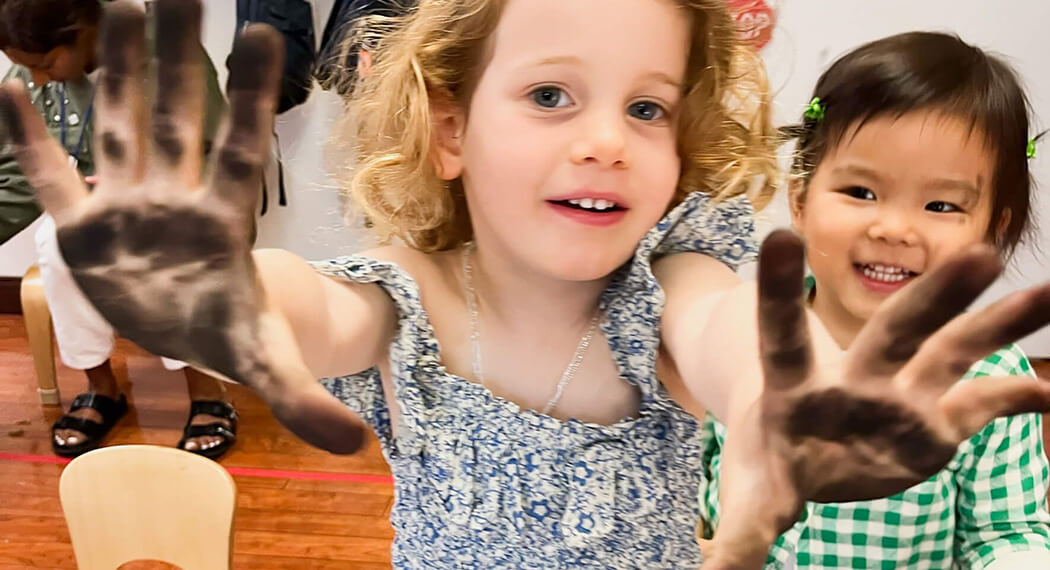
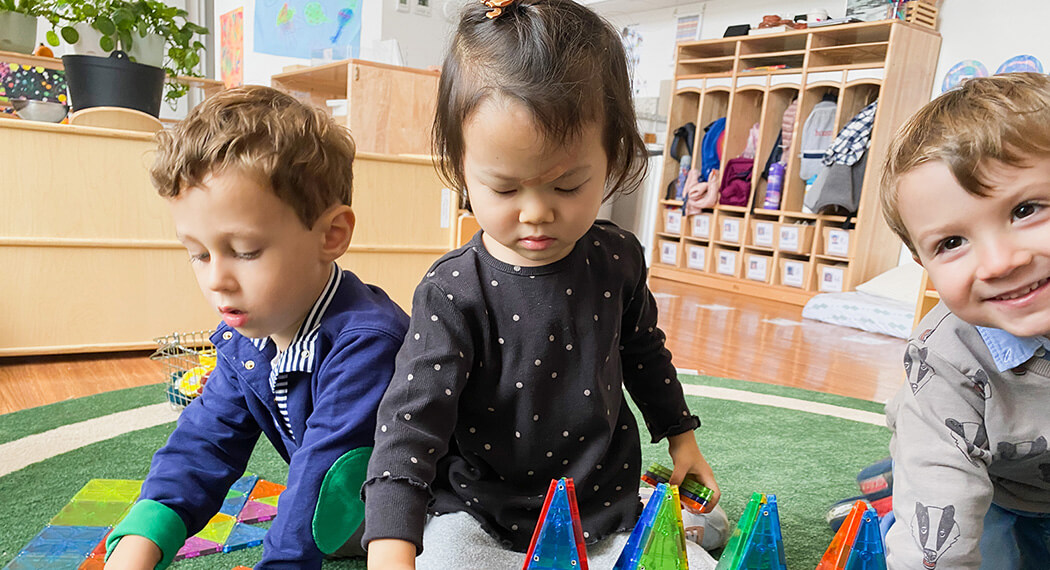

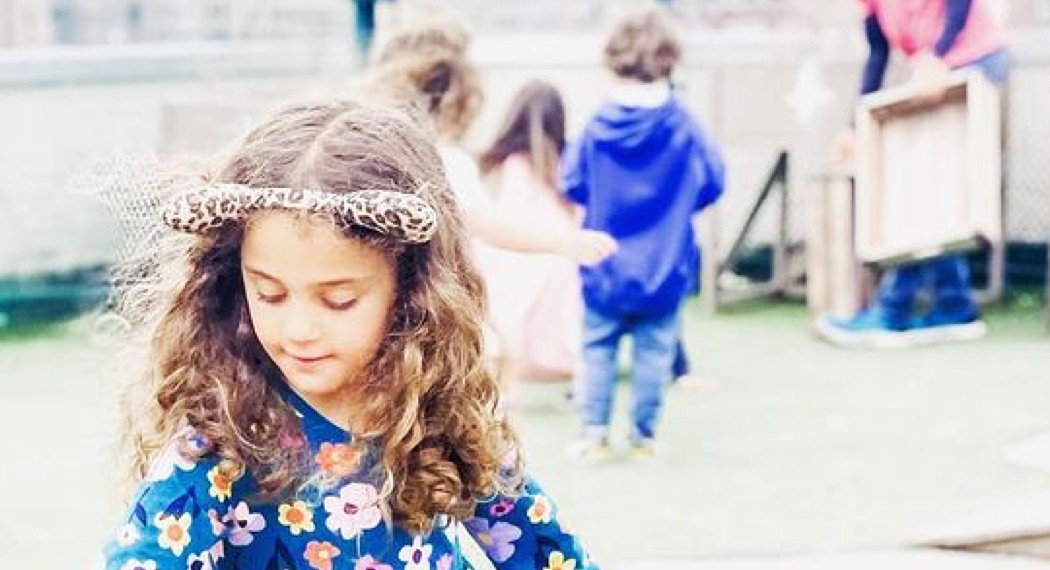

This week, the Rainbow Ice Creams had a movement and science treat – time with both Kyleigh and Kim together! In this science-and-movement collaboration, the Rainbow Ice Creams became movement specialists and scientists, using their bodies to test the laws of physics. By merging these subjects, we turn abstract concepts like gravity, momentum, and simple machines into felt experiences that stick with kids long after they leave the gym.
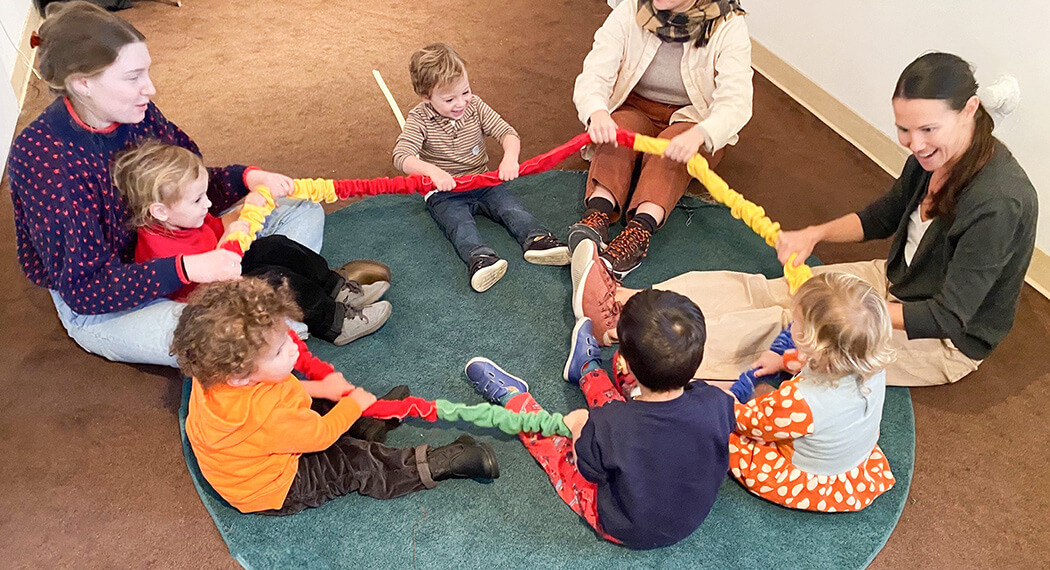
This Pre-K obstacle course also challenges the children to synchronize their physical actions by moving in tandem and remaining acutely aware of their partners. Students practice modulating their speed and adapting to sequential directional changes, fostering a high level of responsiveness to both their peers and their teachers. This collaborative movement approach builds essential self-regulation and social-emotional skills through active, physical play.
The “Physics in Motion” Obstacle Course
The Inclined Plane (Ramp & Hoop): Children walk or crawl up and down a ramp, feeling how gravity pulls them faster on the descent. They transition in the middle into a hoop crawl, practicing spatial awareness as they navigate tight boundaries.
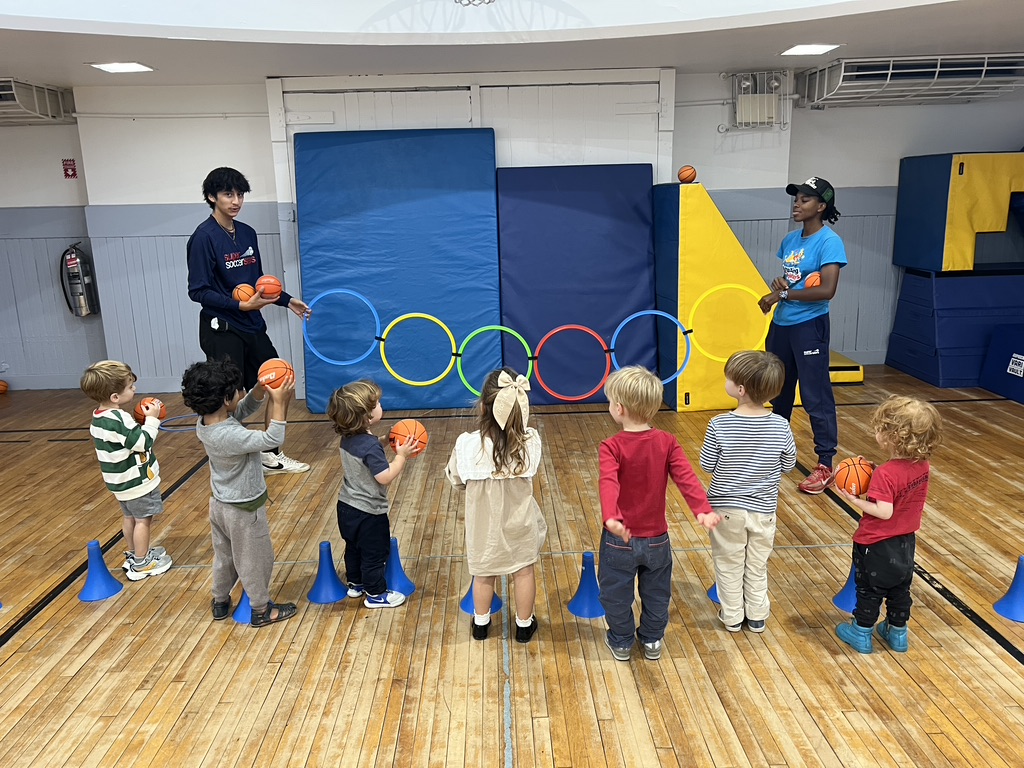
Center of Mass (Cone Balance & Basket): Balancing a ball on a cone requires steady fine motor control. Tossing the ball into a basket introduces projectile motion, as they learn how much force is needed to reach a target.
Force and Impact (Hop Scotch): Each jump demonstrates ground reaction force. Kids observe how their muscles must push against the floor to propel them upward.
Friction & Resistance (Belly Crawl): Dragging their bodies through a tunnel provides intense proprioceptive input, showing how surface contact (friction) affects the ease of movement. This is a bilateral movement that is important for body-mind development and coordination.
Elevation & Stability (Kid Stilts): Walking on stilts shifts their center of gravity, forcing the brain to recalibrate balance and core stability in real-time.
The Equilibrium Test (Balance Beam): This station is a direct lesson in balance, as children use their arms as “ballasts” to stay centered over a narrow base.
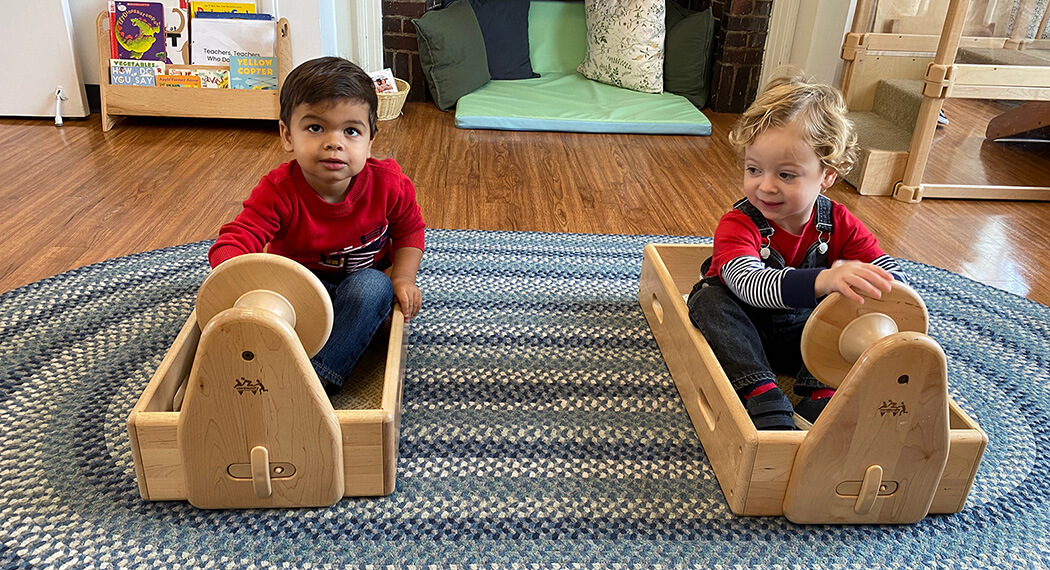
Centripetal Force (The Spin Plate): As one child sits and the other spins, they experience rotational motion. This station also emphasizes social collaboration, as the “spinner” must communicate with the “operator” to ensure safety.
Benefits of the Collaboration
Kinesthetic Learning: Scientific terms like “force” or “gravity” are hard for preschoolers to visualize. Doing an obstacle course lets them feel these forces, moving the lesson from the head to the entire body.
Executive Function: Navigating a multi-step course builds working memory and impulse control as they follow the sequence of stations.
Social-Emotional Growth: Stations like the spin plate require teamwork and trust, teaching children how to negotiate speed and take turns.
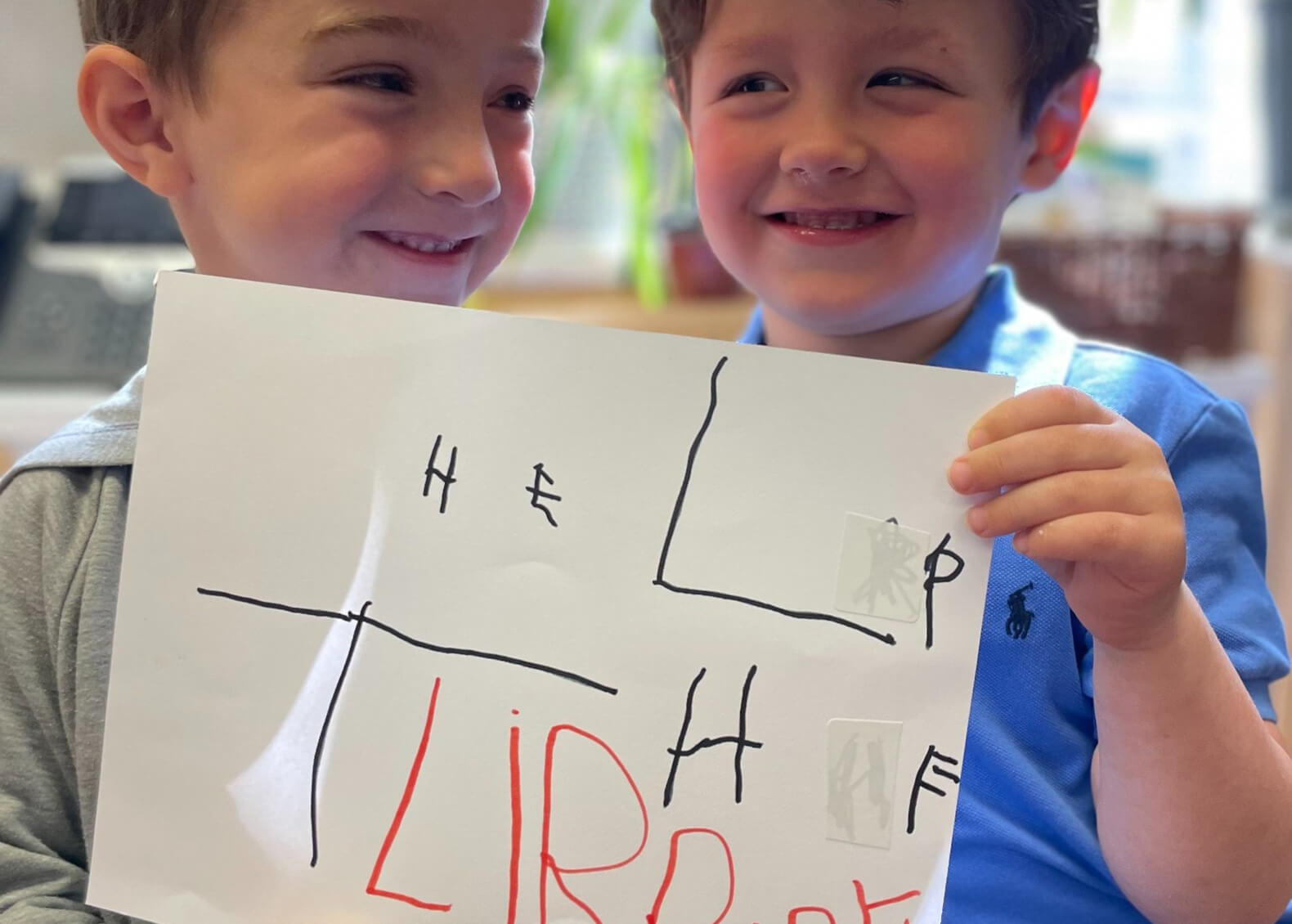
Literacy and Numeracy: By navigating numbered stations with descriptive signs, the children build numeral recognition and print awareness. The gross motor play reinforces foundational literacy and math skills through meaningful, real-world application.
Vestibular Development: Activities that involve spinning, balancing, and changing elevations develop the inner ear system, which is foundational for focus and reading readiness.