





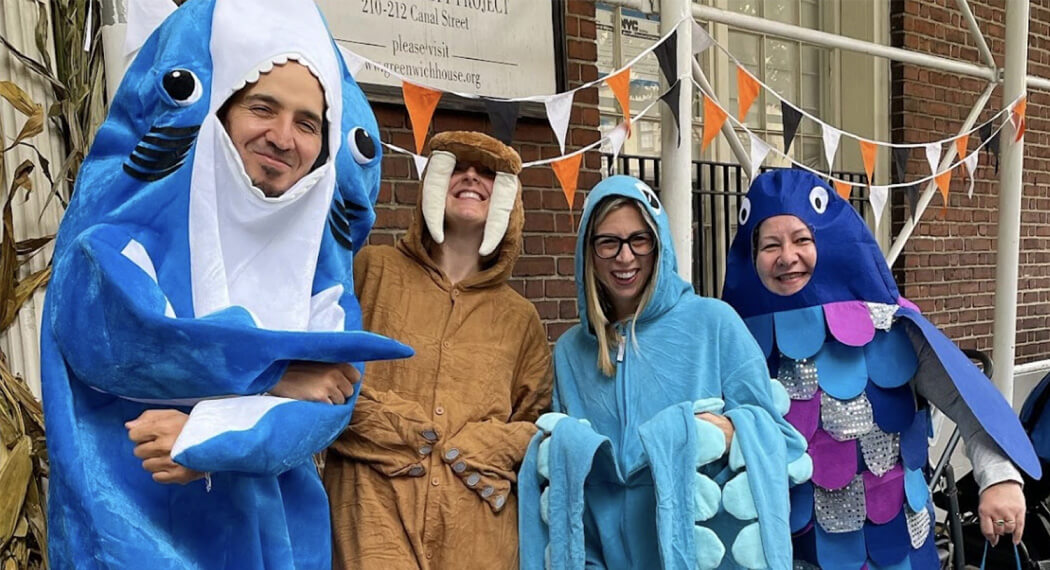


Welcome to The Brown Room Report. You can expect a Report twice monthly on Fridays. It will highlight classroom happenings and give you a peek into our Brown Room community!
And now, for this week’s Report:
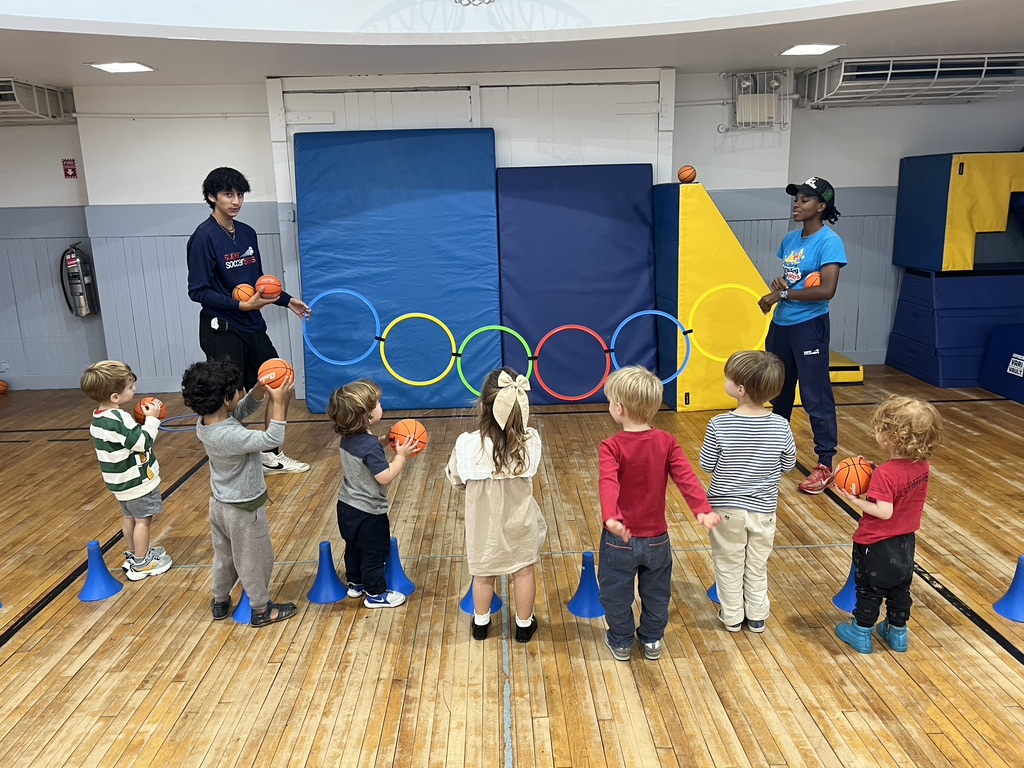
We’ve been enjoying our time with your children as they continue to settle into the rhythms of a new school year! This week, we visited Kelsey in the Movement studio for class in that space for the first time.
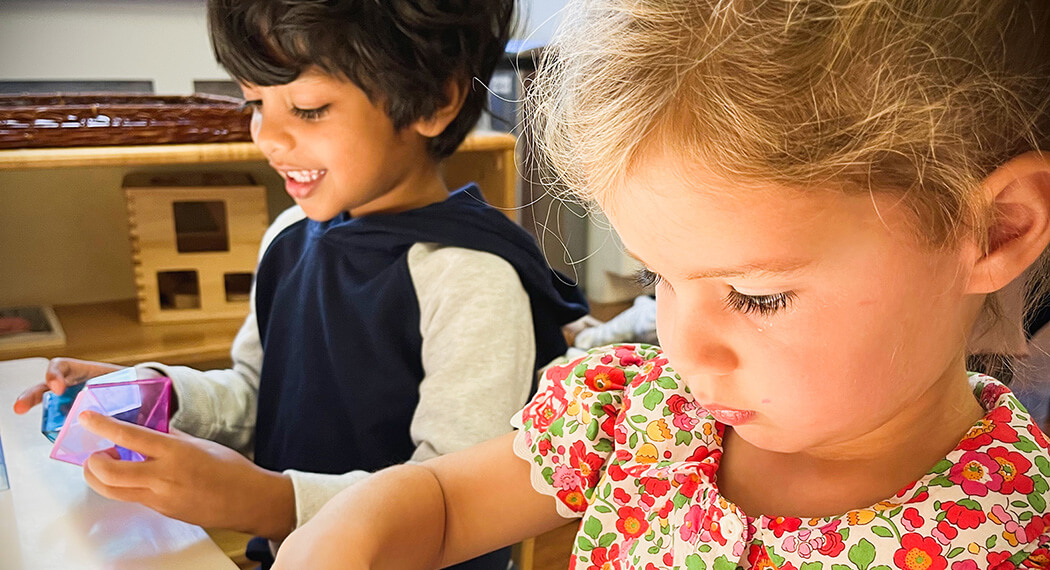
We also continued our explorations of classroom and sensory materials. Children have been enjoying a variety of foods at snack times, and learning to use child-safe sawing knives to cut watermelon slices and kiwi halves. We’ve been practicing using our “helper hand” to hold the fruit steady and a sawing motion to slice it through. We’ve also been peeling small oranges and bananas, too!
But fruit isn’t the only thing we’ve been peeling! We’ve been working on removing the paper from an old batch of crayons in order to bake “crayon cakes,” new blended rainbow crayons that are created when old crayons are mashed together.
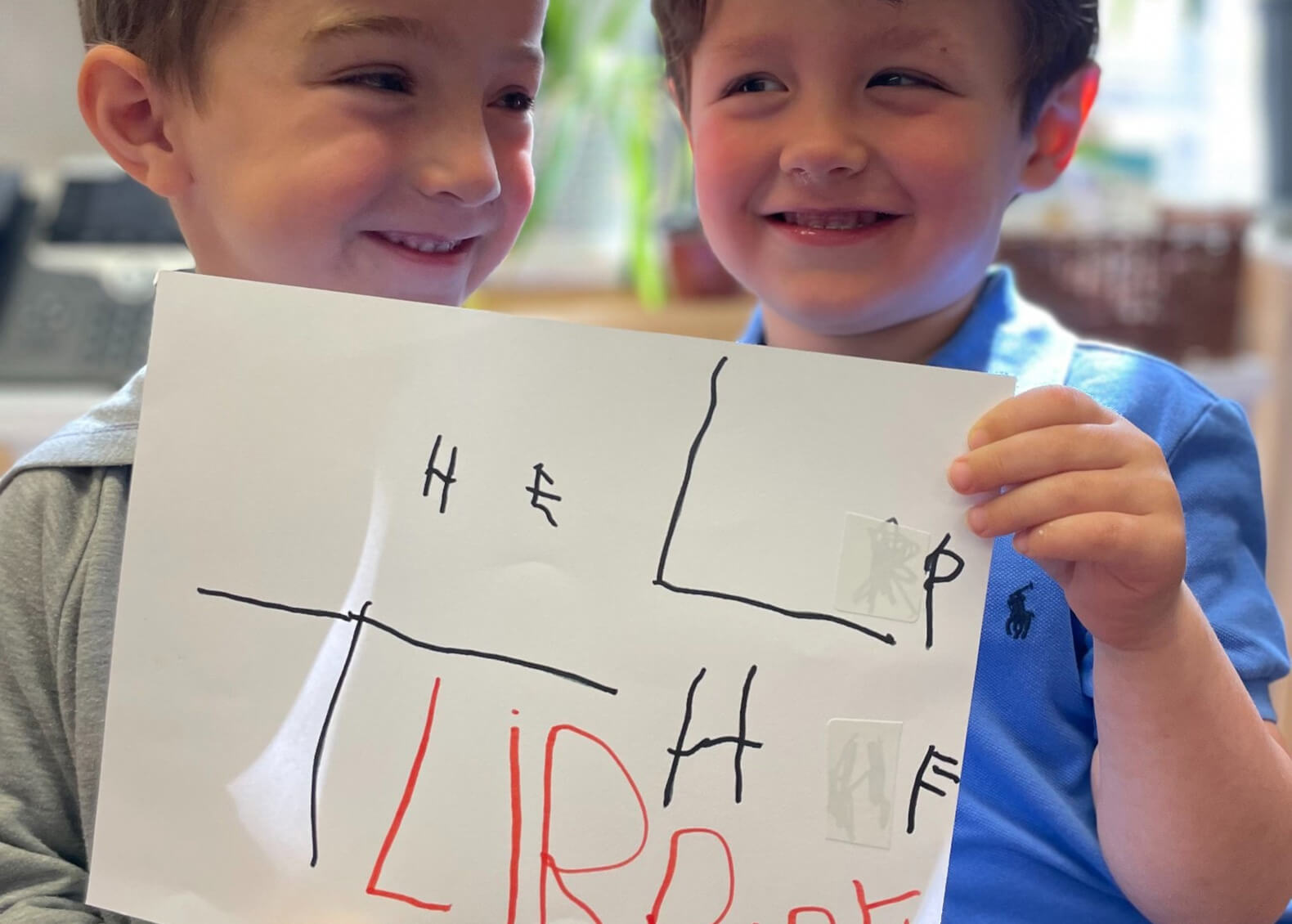
Using knives and peeling paper or fruit are activities that build strength in the tiny muscles of the fingers. As these muscles strengthen, children are more likely to pick up and use a writing or drawing tool. Strong muscles in the fingers also help children to develop an appropriate 3-finger pencil grip, which helps their stamina for writing over time.
Reading and Sharing Stories
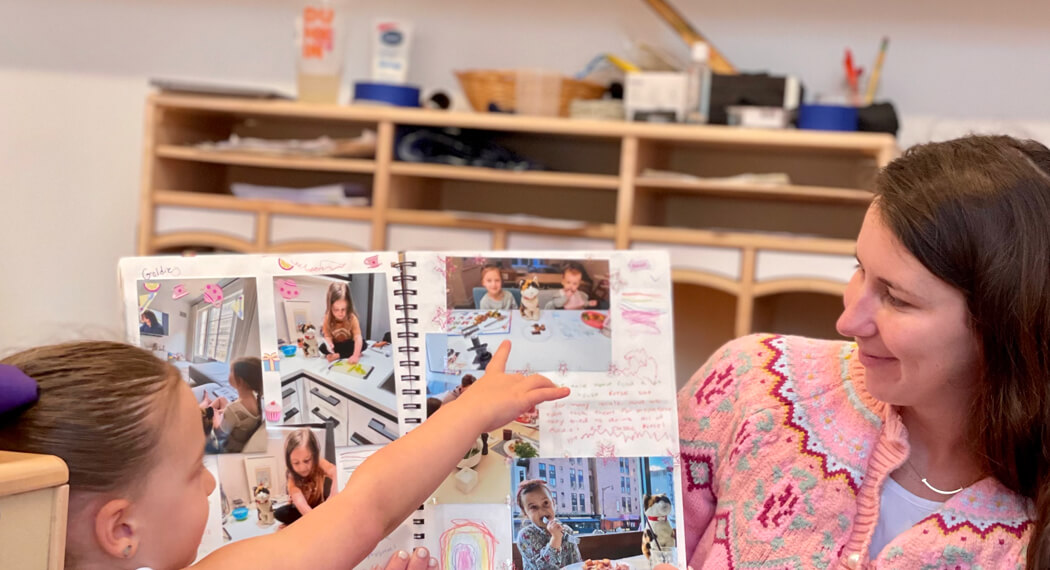
This group has been thinking a lot about friendship, and we’ve started reading books about the topic as part of an initial exploration. This week, we read The Friend Ship (Kat Yeh) and Milo’s Monster (Tom Percival). The children enjoy connecting to the world through story and making predictions as we move through the text. They also frequently ask to revisit stories, which we honor during reading times on the rug.
Revisiting stories is an important part of literacy learning, leading to:
Deeper Comprehension:Once children know the main plot, re-reading allows them to focus on character motivations, themes, cause-and-effect, and missed details.
Expanded Vocabulary: Repeated exposure helps children internalize new words, phrasing, and grammar, making them easier to use in speech and writing.
Active Engagement: Familiarity gives children the confidence to predict events, join in on repeated refrains, and connect stories to their own lives.
Print & Phonological Awareness: Following along strengthens letter-sound recognition, word boundaries, and an understanding of how text functions.
Emotional Processing: Re-reading provides a safe, comfortable space for children to explore complex emotions and new perspectives at their own pace.
A Few Reminders:
On the heels of Back to School Night this week, we wanted to put in a plug for working on independence with your child as the year gets underway. The 3s/4s year brings a big developmental shift from toddlerhood to early childhood. Children are ready to help keep track of their own belongings, pack their bag, or hang their items on their hook when they arrive at school.
Reflective questions to ask your child:
– Did you eat a kiwi at school this week? Did you try cutting the kiwi even if you decided not to eat it?
– Do you remember reading the story called The Friend Ship? What are some things you remember from that book? (Cues to help jog memory can be: Were there people in the book or animals? Were there lots of them or just a few? Were they driving a car, flying an airplane…or was it something else?)
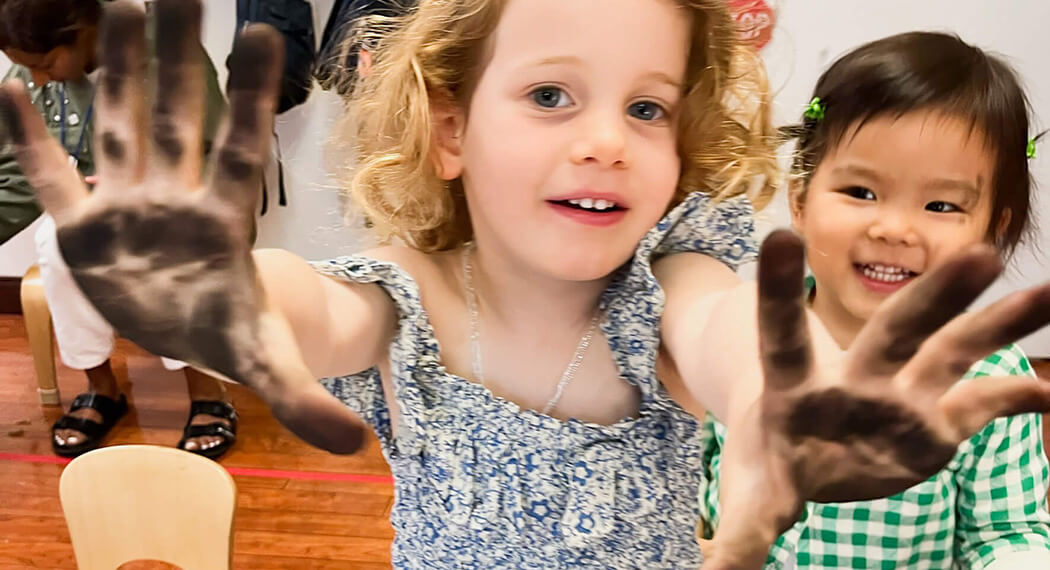
– Did you paint the walls with Kelsey in Movement? Did you use REAL paint for that, or something else?
Be well, everyone! We can’t wait for more fun and learning in the Brown Room next week.


